David Martin | Mineola Family Lawyer | New York

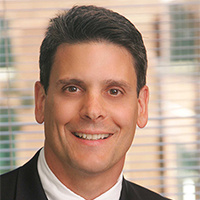
David L. Martin 
Child Support, Child Custody, Divorce & Family Law, Criminal, General Practice, DUI-DWI
- Law Office: The Law Offices of David L. Martin, Esq., P.C.
- Garden City Law Firms
- Law School: Thomas M. Cooley Law School, JD 1986
- Status: In Good Standing
- Licensed: 36 years
516-294-8886
VERIFIED ✓
- Profile LAWPOINTS™73/ 100LAWPOINTS™ measure the overall completeness of a Lawyer's profile. More complete profiles are ranked higher and help visitors select the right lawyer faster.
We help paid Members build more complete and informative profiles.
LAWPOINTS™ do not measure a Lawyer's reputation.
More Info for Lawyers - Free Consultation ✓
- No Misconduct Found ✓
- Accepts Credit Cards ✓
- Upgrade to a premium listing
- Update your listing
- LAWYERID™ TMC-986-1030LawyerID™'s identify each individual within Lawyer.com’s directory of 2M global lawyers and help to ensure that the most accurate, up-to-date records are being kept on every lawyer. If you are a practicing lawyer without a LawyerID prominently displayed on your Lawyer.com profile, please call 800-840-0600 to receive one.
Contact Us
Divorce & Family Law Estate
114 Old Country Rd Mineola 11501 USCriminal Personal Injury Asylum Traffic Civil & Human Rights
114 Old Country Road Mineola 11501 USAccident & Injury Car Accident
1140 Franklin Ave Garden City 11530 USEstate Trusts Elder Law Power of Attorney Wills & Probate
310 Old Country Rd Garden City 11530 USAccident & Injury Criminal
300 Old Country Road Mineola 11501 USEmployment
910 Franklin Avenue Garden City 11530 USReal Estate Bankruptcy Bankruptcy & Debt
One Old Country Road Carle Place 11514 USLawsuit & Dispute Employment Civil & Human Rights Other Business
401 Franklin Ave Garden City 11530 USLawsuit & Dispute Litigation Banking & Finance Lawsuit Complex Litigation
401 Franklin Ave Garden City 11530 US








introduction
Mr. Martin has been licensed to practice Divorce, Family Law and Criminal Law in the State of New York for almost 30 years. Before owning his own practice, Mr. Martin started as a trial attorney with the Criminal Defense Division of the Legal Aid Society, of the City of New York.
Today, Mr. Martin handles mostly complex contested divorce cases as well as custody, parenting time, juvenile delinquency and support cases in the Courts of Nassau County and Queens County.
Mr. Martin maintains offices in both Nassau County and Queens County. He keeps flexible business hours to cater to the needs of all of his clients. Mr. Martin also offers Saturday office hours for the convenience of his clients.
Call The Law Offices of David L. Martin, Esq., today, and ask about our free consultations.
Secondary Office: 125-10 Queens Blvd. Suite 15 Kew Gardens, New York 11415

QUESTIONNAIRE
Experience
| Position | Organization | Location | Duration |
|---|---|---|---|
| Lawyer | Law Offices of David L. Martin | Mineola, New York | 1990 - Present |
Education
| School | Degree | Major | Graduation |
|---|---|---|---|
| Thomas M. Cooley Law School | JD | Law School | 1986 |
| State University of New York | B.A. | N/A | 1982 |
Admission
| State / Court | Date |
|---|---|
| New York | 1987 |
Associations
- Member of the New York State Bar Association
Member of the Nassau County Bar, Association: Matrimonial Committee
Member of the Queens County Bar Association: Matrimonial Committee
Honors & Awards
Cases
Black V. Morales New York Supreme Court, Appellate Division, First Department Docket #'s V-06582/07 & V-11371/07
Publications
Office Hours
| Sun. | Mon. | Tue. | Wed. | Thu. | Fri. | Sat. |
|---|---|---|---|---|---|---|
| 9:00 am - 7:00 pm | 9:00 am - 7:00 pm | 9:00 am - 7:00 pm | 9:00 am - 7:00 pm | 9:00 am - 7:00 pm | 9:00 am - 2:00 pm |
Special Visits To Home Or Hospital For Your Convenience
Verified Credentials
Lawyers with longer memberships tend to have more experience so we use the Membership date to help prioritize lawyer listings on search pages.
| Verified Credentials | Date Verified |
|---|
Above credentials have been verified independently by Lawyer.com.
Legal Articles
Peer Endorsements
Additional Info
Associate Attorney: Melissa M. Wolin, Esq. Second Office: 125-10 Queens Blvd. Suite 15 Kew Gardens, New York 11415
Fee: Please contact our office for fee's and rates. Offers Free Consultation
Service Type: Private
Language: Supports both English and Spanish
To recommend or link to this lawyer as a trusted attorney, we have provided a list of sample links. Please choose the one that meet your needs.
Want a Premium Customized Photo Badge?
Call Toll Free: 800-620-0900

Image Link 1

<div id="Lcom"><a href="//www.lawyer.com/david-martin-878126607.html"><img alt="Lawyer.com" src="//www.lawyer.com/seal/1734617i.png"></a></div><script type="text/javascript" src="//www.lawyer.com/seal.js"></script>
Image Link 2

<div id="Lcom"><a href="//www.lawyer.com/david-martin-878126607.html"><img alt="Lawyer.com" src="//www.lawyer.com/seal/1734617p.png"></a></div><script type="text/javascript" src="//www.lawyer.com/seal.js"></script>
Image Link 3

<div id="Lcom"><a href="//www.lawyer.com/david-martin-878126607.html"><img alt="Lawyer.com" src="//www.lawyer.com/seal/1734617f.png"></a></div><script type="text/javascript" src="//www.lawyer.com/seal.js"></script>
Image Link 4

<div id="Lcom"><a href="//www.lawyer.com/david-martin-878126607.html"><img alt="Lawyer.com" src="//www.lawyer.com/seal/1734617v.png"></a></div><script type="text/javascript" src="//www.lawyer.com/seal.js"></script>


Text Link 1
<div id="Lcom" style="width:250px;text-align:center;background-color: #fbaa02;padding:3px;"><a href="http://www.lawyer.com/david-martin-878126607.html" style="color: #fff;text-decoration:none;size: 12px;">Lawyer.com Listed: David L. Martin</a></div> <script type="text/javascript" src="http://www.lawyer.com/seal.js"></script>
Change History
1415 Kellum Place
Suite 205
Garden City, NY 11530