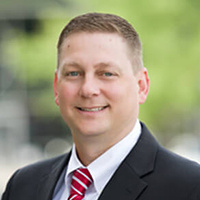
Cynthia Hennessey
Language(s):
English, (We can arrange Spanish interpreters)



 Premium
Adoption, Property & Casualty, Child Support, Divorce, Child Custody

600 Emerson Road Suite 110
Saint Louis, MO 63141
Premium
Accident & Injury, Workers' Compensation, Personal Injury, Car Accident, Animal Bite
999 Executive Parkway Dr Ste 205
Creve Coeur, MO 63141
Premium
Divorce & Family Law, Child Custody, Domestic Violence & Neglect, Child Support, Immigration
11756 Borman Dr. Ste. 202D
Saint Louis, MO 63146
Premium
Business, Bankruptcy & Debt, Accident & Injury, Landlord-Tenant, Credit & Debt
PO Box 32853
Saint Louis, MO 63132
Premium
Intellectual Property,
11710 Administration Drive Suite #4
Saint Louis, MO 63146
Premium
Accident & Injury, Car Accident, Animal Bite, Products Liability, Medical Malpractice
1034 South Brentwood Blvd, Penthouse 1-C
Saint Louis, MO 63117
Premium
Criminal, DUI-DWI, Felony, Misdemeanor, White Collar Crime
231 South Bemiston Avenue Suite 1100
Saint Louis, MO 63105
Premium
Workers' Compensation, Animal Bite, Car Accident, Wrongful Death, Accident & Injury
Bistate Law Center P.O. Box #3863
Chesterfield, MO 63006
Premium
Accident & Injury, Car Accident,
1795 Clarkson Road Suite 230
Chesterfield, MO 63017
Cynthia provides a free consultation. Upon acceptance of your case, there are never any upfront costs or fees. There are no fees unless we win.
Former Insurance Company Attorney
Evans & Dixon
1991-1997
St. Louis, MO
Registered Nurse
BJC
1988-1991
St. Louis Missouri
Registered Nurse
Cardinal Glennon Childrens Hospital
1985-1988
St. Louis, MO
Colorado
2004
Illinois
1992
Missouri
1991
Saint Louis University School of Law
JD
1991


 Associations
 Honors / Awards
 Cases
Cases
Lauterwasser v. United Parcel Service, 10-009948 (Mo. Workers’ Comp. Appeals Dec. Oct. 27, 2025)
Lauterwasser v. United Parcel Service is a Missouri Workers’ Compensation Appeal Decision involving Injury No. 10-009948, decided on October 27, 2025, by the Missouri Department of Labor and Industrial Relations, Labor and Industrial Relations Commission. In this decision, the Commission considered an appeal arising out of a workers’ compensation claim between Joseph Lauterwasser and United Parcel Service (UPS). Although the full text of the decision is contained in the official PDF published by the Missouri Labor Commission, the appellate decision on file reflects adjudication of disputed issues related to compensability, benefits entitlement, or other workers’ compensation issues under Missouri law. Workers’ compensation appeal decisions like Lauterwasser are part of the Commission’s published Orders of General Interest and contribute to the body of general administrative guidance on how Missouri workers’ compensation matters — including dispute resolution, application of statutory standards, and interpretation of evidence — are resolved at the appellate level. This decision is relevant to practitioners and injured workers because it illustrates the process and legal reasoning applied when an injured worker appeals a compensation award or contested administrative decision, particularly in cases involving major employers such as UPS.
 Publications
Cynthia M. Hennessey regularly writes and speaks on topics related to Missouri and Illinois Workers’ Compensation law, denied claims, permanent total disability cases, and the medical analysis of serious work injuries.
Her publications and educational materials focus on helping injured workers understand their rights, including:
• What to Do When Your Workers’ Compensation Claim Is Denied
• Understanding Permanent Total Disability in Missouri
• How Insurance Companies Evaluate Work Injury Claims
• The Role of Medical Evidence in Maximizing Case Value
• Choosing the Right Workers’ Compensation Attorney
In addition to written articles published through Hennessey Law Firm, Cynthia provides educational guidance to clients and the community regarding complex medical-legal issues, appeals of denied claims, and trial preparation in workers’ compensation matters.
As both a Registered Nurse and an attorney, her writing uniquely bridges the gap between medicine and law — translating complicated medical findings into practical legal strategy for injured workers.
Please describe a case in the last year or two where you made a big difference.
Within the past year, I represented a registered nurse who was violently assaulted while working in a behavioral health unit at a local hospital. She sustained a concussion and developed severe post-traumatic stress disorder as a result of the attack.
Nursing was not just her profession — it was her calling. Behavioral health was her passion. After the assault, however, she began experiencing debilitating symptoms: anxiety, panic episodes, cognitive impairment, sleep disruption, and significant emotional trauma. Despite her deep love for her work, she was medically unable to return to the behavioral health environment.
Like many healthcare workers, she initially tried to push through. She minimized her symptoms. She questioned herself. But the medical evidence — and her lived experience — told a different story.
Drawing on my background as both a nurse and an attorney, I was able to fully understand the neurological and psychological impact of traumatic brain injury combined with PTSD. We built the case carefully — documenting her medical treatment, neurocognitive findings, psychiatric evaluations, and vocational limitations.
The employer and insurer did not immediately accept the full scope of her disability. The case required persistence, strategic medical development, and careful negotiation.
Ultimately, we secured a significant settlement that provided her with financial security and the ability to move forward with dignity. More importantly, it gave her validation. She was not weak. She was not exaggerating. She was injured — and the system recognized that.
Helping her transition from a career she loved into a new chapter of life was one of the most meaningful representations of my career.
Cases like this remind me that workers’ compensation is not just about wage loss or medical bills. It is about identity, purpose, and rebuilding life after trauma.
How did you build a successful practice?
I did not build my practice overnight, and I did not build it by accident.
I built it by making a series of hard, intentional choices.
I began my career as a registered nurse. I learned to care for people when they were vulnerable, frightened, and in pain. That experience shaped everything that came after. When I went to law school and eventually began practicing law, I carried that same bedside mentality into the courtroom.
Early in my legal career, I represented insurance companies. It was an invaluable education. I learned how claims are evaluated, how files are handled internally, and how carriers make financial decisions. But over time, I realized I wanted to represent the injured worker — not the insurance company.
In 1998, I started my own firm from scratch.
There was no big marketing budget. No inherited client base. Just long hours, relentless preparation, and a commitment to doing things differently.
I returned every phone call. I prepared every case as if it might go to hearing. I treated clients as human beings, not file numbers. And when cases were denied or undervalued, I did not back down.
Over time, word spread.
Clients referred friends. Other attorneys referred difficult cases. Judges and opposing counsel learned that I would be prepared, professional, and persistent.
As the practice grew, I built a team of strong, compassionate women who share the same values: personal service combined with fierce advocacy.
Success, for me, has never meant volume alone. It has meant building a firm with integrity — one that stands firmly on the side of injured workers and is not afraid to challenge large employers or insurance carriers when necessary.
I believe my practice has grown because people sense authenticity. They know when someone truly understands both the medicine and the law. They know when someone is willing to go the distance.
And most importantly, they know when someone genuinely cares.
That is how I built my practice — one client, one case, one hard-earned reputation at a time.
What should clients look for in a lawyer?
When choosing a lawyer, clients should look beyond advertising and ask deeper questions.
First, look for experience that actually relates to your type of case. Workers’ compensation and serious injury law are highly specialized. A lawyer who occasionally “handles” these cases is very different from one who practices in this area every day.
Second, ask whether the attorney is prepared to litigate if necessary. Not every case settles easily. If a claim is denied, medical treatment is refused, or benefits are cut off, you need a lawyer who is willing and able to pursue hearings, appeals, and trial when appropriate. Some firms focus primarily on quick resolutions. That may not always serve the client’s best interest.
Third, look for someone who understands the medical side of your case. Injuries are not just legal issues — they are medical realities. Your lawyer should be comfortable analyzing medical records, diagnostic studies, impairment ratings, and long-term restrictions.
Fourth, pay attention to communication. You should feel heard. Your questions should be answered clearly. You should understand what is happening in your case and why.
Finally, trust your instincts. This is someone who may be guiding you through one of the most stressful periods of your life. Competence matters. But so does integrity. So does preparation. So does genuine care.
The right lawyer is not just someone who files paperwork. It is someone who stands beside you — strategically, professionally, and personally — from beginning to end.
How important is local knowledge to the success of your cases?
Local knowledge is extremely important in workers’ compensation and serious injury cases.
The law may be written in statutes, but cases are decided in real courtrooms, by real judges, within specific jurisdictions. Understanding how a particular administrative law judge evaluates medical evidence, how certain employers defend claims, or how local insurance adjusters approach settlement can meaningfully impact strategy.
Practicing in Missouri and Illinois for over three decades has given me insight into how cases move through the system in this region. I understand the procedural nuances, the timelines, and the expectations of the courts. I know how local employers and large institutional defendants tend to litigate. That knowledge allows me to anticipate defenses and prepare accordingly.
Local relationships matter as well. Credibility with judges and opposing counsel is earned over time through preparation, professionalism, and consistency. When you regularly practice before the same tribunals, your reputation precedes you — and that can influence how efficiently and effectively a case is resolved.
At the same time, local knowledge must be paired with deep subject-matter experience. Workers’ compensation law is technical. It requires not only familiarity with the local system but also mastery of medical evidence, vocational issues, and statutory interpretation.
Success comes from combining both: knowing the law and knowing the landscape.
What information can you provide in a free phone consultation?
During a phone consultation, I can provide a substantial amount of information about your rights, the workers’ compensation process, and the potential direction of your case.
I will explain whether your injury appears compensable under Missouri or Illinois law, what benefits may be available (medical care, temporary total disability, permanent partial disability, or permanent total disability), and what steps should happen next.
If your claim has been denied or medical treatment has been refused, I can outline the legal options available and explain how those disputes are typically handled. I can also discuss timelines, procedural expectations, and what documentation will be important moving forward.
What I cannot responsibly do during an initial phone consultation is assign a specific dollar value to a case without reviewing medical records, diagnostic studies, and treatment history. Case value depends heavily on medical evidence, work restrictions, impairment ratings, and long-term impact. It would not be ethical or accurate to provide a number without that foundation.
However, I can give you a clear understanding of the legal framework, the strengths and potential challenges in your case, and whether pursuing representation makes sense.
My goal during a consultation is to ensure you leave the conversation more informed, more confident, and with a clear path forward — whether you choose to move ahead with representation or not.
What information do you need in a free phone consultation?
During a phone consultation, the quality of the information you provide directly affects the guidance I can give.
At a minimum, I need:
1. The date and mechanism of injury.
When did the injury occur? What were you doing at the time? Was there a specific incident, or did the condition develop over time?
2. Employer information.
Who is your employer? Are you still working? Have your duties changed?
3. Medical treatment history.
Where have you treated? What diagnoses have been given? Have you had imaging studies, surgery, therapy, or specialist referrals?
4. Current work status.
Are you on restrictions? Off work completely? Receiving temporary disability benefits? Has treatment been denied?
5. Any disputes.
Has the claim been denied? Has the insurance company refused treatment or cut off benefits?
6. Prior injuries or relevant medical history.
Transparency is important. Prior conditions do not automatically defeat a claim, but they can affect strategy.
The more accurate and detailed the information, the more specific guidance I can provide.
I do not expect clients to know legal terminology — that is my job. What I need are the facts. From there, I can analyze compensability, potential benefits, and next steps.
A good consultation is a conversation, not an interrogation. My role is to ask the right questions and help you understand where you stand.
What differentiates you from other lawyers in your community?
What truly differentiates me from many other lawyers in this community is that I bring a rare combination of backgrounds, skills, and mindset to every case:
1) I am both a Registered Nurse and an attorney.
Most lawyers can read medical records. I can understand them the way a clinician does. I know what findings matter, what limitations mean functionally, how injuries evolve over time, and how to translate complex medical evidence into clear legal strategy. That medical depth often changes the trajectory — and the value — of a case.
2) I spent years representing insurance companies — so I know their playbook.
I began my legal career on the defense side. I know how claims are evaluated internally, how adjusters and defense counsel think, and what tactics are used to delay, deny, and minimize cases. I don’t guess. I anticipate. And I build cases with that reality in mind.
3) I will fight a denial — and I will go the distance.
Workers’ compensation cases are not always smooth. Treatment gets denied. Benefits get cut off. Employers dispute that the injury even happened at work. Many firms are not built for that kind of fight — and some will not pursue appeals or fully litigate a hard case.
I do.
If a claim is denied, we challenge it. If the insurer refuses to be reasonable, we prepare for hearing and trial. My clients know I don’t disappear when the case gets difficult — that’s when my work becomes most important.
4) I combine white-glove care with serious, strategic advocacy.
Clients deserve more than a file number and a paralegal they can never reach. My firm is known for responsiveness, compassion, and preparation. We explain. We guide. We return calls. We treat people like human beings — while aggressively pushing the legal side forward. It’s not either/or. It’s both.
5) I built my firm on reputation, not shortcuts.
I have been doing this for over 30 years, and I have earned credibility through consistent preparation and results. Insurance companies and defense lawyers learn very quickly who is willing to push — and who is not. My cases are built as though they could be tried, because that is often what drives fair outcomes.
6) I represent clients the way I would want my own family represented.
This is personal work. People call us when they are injured, scared, and financially stressed. I take that responsibility seriously. My goal is not just a legal outcome — it is restoring stability, dignity, and a path forward.
If you want a lawyer who understands the medicine, knows the insurance industry from the inside, and is prepared to fight a case through denial, dispute, and trial when necessary — that is exactly what I do.
What is the most rewarding aspect of your job?
The most rewarding aspect of my job is helping someone regain stability during one of the most uncertain and vulnerable periods of their life.
When people come to me, they are often overwhelmed. They are injured. They are in pain. Their income may have stopped. Medical treatment may have been denied. They may feel dismissed or unheard by their employer or the insurance company.
In that moment, what they need is not just legal advice. They need reassurance. They need clarity. They need someone steady.
One of the most meaningful parts of my work is watching the shift that happens when a client realizes they are no longer alone. When they understand their rights. When they know someone is advocating for them — strategically, professionally, and personally.
I have had clients tell me that being believed was as important as the financial recovery. Being validated. Being heard. Being treated with dignity.
Because of my background as a nurse, I have always approached this work with a caretaker’s heart. I understand that an injury is not just a diagnosis — it affects identity, family dynamics, financial security, and confidence. When I help a client secure the treatment they need, restore benefits, or reach a settlement that allows them to move forward, I see the relief in their faces. I see them exhale.
That is the reward.
It is not just the outcome on paper. It is knowing that I helped someone stand back up — sometimes after the system has told them they do not matter.
Helping people rebuild after injury is deeply personal work. And it is a privilege I do not take lightly.
What are your other interests in addition to law?
Outside the practice of law, my greatest passion is caring for animals — especially rescues, strays, and senior pets.
I have always had a deep love for dogs and cats, and over the years that love has turned into a quiet mission of care. I am especially drawn to animals who have been overlooked, abandoned, or who require extra patience and tenderness. There is something profoundly meaningful about giving a vulnerable animal safety, stability, and a home.
Animals have a way of reminding us what matters — loyalty, presence, forgiveness, and unconditional love. After long days navigating legal battles and complex cases, spending time with my pets grounds me. It keeps me humble. It keeps me connected.
In addition to animal rescue, I value time with my family, travel, yoga, and staying active outdoors. I believe balance is important — both professionally and personally. The work I do for injured clients is serious and often emotionally intense, and maintaining a full life outside the office allows me to show up steady, focused, and compassionate for the people I represent.
For me, whether I am helping an injured worker rebuild after a difficult chapter or giving a rescued animal a safe place to land, the underlying principle is the same: care matters.
Are you involved in your community?
es, I am very involved in my community, particularly in the area of animal rescue and advocacy.
I actively support and assist with local stray and rescue efforts, including helping abandoned or vulnerable animals find safe placement and care. Over the years, I have worked closely with individuals and small rescue networks who dedicate enormous time and energy to protecting animals who cannot protect themselves.
This work is deeply personal to me. It is not about recognition — it is about responsibility. When I see an animal in need, I feel compelled to help. Whether that means supporting rescue efforts, providing care, or advocating for better treatment, I believe we all have a role to play in strengthening our communities.
Beyond animal rescue, I strive to contribute to my community through mentorship, professional leadership, and by building a law firm that operates with integrity and compassion. I believe that how we treat people — and animals — reflects the kind of community we are creating.
For me, community involvement is not a separate activity. It is an extension of my values.
Founded 1998
Accident & Injury, Workers' Compensation, Car Accident, Wrongful Death